
Native Plants Kansas City Gardeners Can Actually Rely On
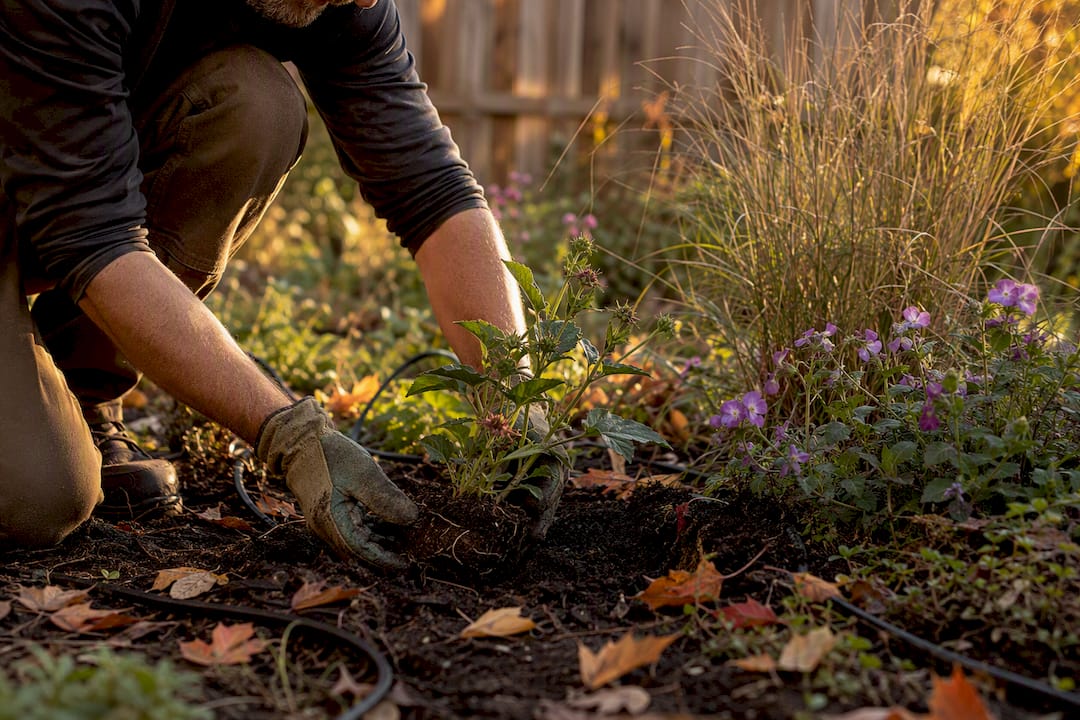
Native Plants Kansas City Gardeners Can Actually Rely On
Purple coneflower, butterfly milkweed, little bluestem, and serviceberry top the list of native plants Kansas City yards handle without fuss, and all four thrive in USDA zone 5b/6a soils around the metro. Start with one border or the ring around a shade tree, rather than an entire yard. Local spring plant sales, run through Grow Native! and K-State Extension, are the most reliable source for seedlings bred from regional seed stock.
TL;DR:
- Native plants like purple coneflower and butterfly milkweed are highly adaptable, thriving in Kansas City’s clay soils and humid summers without much fuss.
- Selecting local seed stock and understanding plant origins ensures long-term resilience and maximizes benefits for pollinators.
- Spring and fall are the best seasons for planting natives, with initial care focused on consistent watering and light mulching during the first year.
- Proper site assessment and layering, such as placing taller plants at the back and grouping species in odd numbers, enhance aesthetic appeal and pollinator support.
- Professional installation by native-plant specialists can simplify the process and ensure maintenance practices that protect pollinator habitats.
Table of Contents
- Top Native Plants for Kansas City: A Practical Shortlist
- How to Choose the Right Natives for Your Yard
- Where to Buy Native Plants in the Kansas City Area
- Seasonal Care and First-Year Maintenance for KC Natives
- How a Local Pro Installs and Maintains Native Plantings
- How to Tell a Native Plant from a Non-Native or Invasive Look-Alike
- Common Pests and Diseases in KC Native Plantings
- Designing Native Beds That Look Good and Work Hard
- The Real Payoff of Planting Native in Kansas City
- Hire GC Signature Outdoors to Design and Install Your KC Native Planting
- Sources
- FAQ
Top Native Plants for Kansas City: A Practical Shortlist
Kansas City sits at the edge of tallgrass prairie country, and the plants that evolved here handle the metro’s clay soil, summer humidity, and swing from drought to downpour better than almost anything from a garden catalog. This shortlist mixes perennials, grasses, shrubs, and small trees suited to both compact city lots and larger yards in the Northland.
- Butterfly milkweed (Asclepias tuberosa). Full sun, dry to medium soil, orange blooms all summer. It’s a monarch host plant and stays compact enough for small urban beds.
- Purple coneflower (Echinacea purpurea). Tolerates almost any soil, blooms for months, and seed heads feed finches into winter. One of the easiest natives for a first-time planter.
- Blazing star (Liatris spicata). Tall purple spikes that pollinators swarm in late summer. Works well massed along a fence line.
- Bee balm (Monarda fistulosa). Spreads by rhizome, so give it room. Great for a rain garden edge where soil stays moist.
- Little bluestem (Schizachyrium scoparium). A compact prairie grass that turns copper red in fall. Perfect for small yards that need structure without bulk.
- Switchgrass (Panicum virgatum). Taller and looser than bluestem, good for screening or a larger restoration planting.
- Serviceberry (Amelanchier arborea). A small native tree with spring flowers, edible berries birds strip fast, and fall color. Fits under power lines where bigger trees can’t go.
- Whorled milkweed (Asclepias verticillata). A shorter, finer-textured milkweed than the butterfly type, useful for tight borders.
- Prairie coreopsis (Coreopsis palmata). Cheerful yellow blooms, drought-tough once established, good for a sunny strip along a driveway.
- Purple poppy mallow (Callirhoe involucrata). A low, sprawling groundcover with magenta flowers, ideal for slopes or spilling over a retaining wall.
- Showy goldenrod (Solidago speciosa). Despite its reputation, goldenrod doesn’t cause hay fever, and this species stays tidier than roadside varieties.
- Smooth aster (Symphyotrichum laeve). Late-season blue flowers that carry pollinators through October, after most perennials have quit.
For a small urban lot, lean on little bluestem, purple coneflower, butterfly milkweed, and serviceberry. They stay compact and look intentional without spreading aggressively. Larger properties or acreage restorations can add switchgrass, bee balm, and showy goldenrod for volume and season-long color.
How to Choose the Right Natives for Your Yard
Matching plants to your actual site conditions matters more than picking pretty pictures off a plant tag. Walk your yard and note where sun hits at midday, whether water pools after rain, and how heavy or sandy the soil feels.
- Full sun (6+ hours) suits butterfly milkweed, coneflower, and little bluestem; shadier spots favor serviceberry and woodland asters.
- Low, wet corners are perfect for bee balm and switchgrass; dry slopes favor purple poppy mallow.
- Start with one bed, a border, or the ring under a shade tree instead of converting the whole yard at once.
- Space plugs about 12 to 18 inches apart; gallon pots can go 18 to 24 inches apart depending on the mature spread.
- Skip generic “wildflower mix” bags from big-box stores. They often include non-native or invasive fillers that outcompete the natives you actually want. Cross-check any list against Grow Native!'s regional plant tools or K-State’s guidance for northeast Kansas and the KC metro.
Pro Tip: Ask the seller where the seed originated and whether a plant is a straight species or a “nativar,” a cultivated variety bred for color or size. Nativars can look great, but some offer less nectar or pollen than the wild-type plant pollinators actually need.
Where to Buy Native Plants in the Kansas City Area
Reliable sourcing is half the battle with natives. Skip the impulse buy at a grocery store garden center and go where provenance is tracked.
- Native-specialist nurseries and regional mail-order growers. These sellers propagate from local seed stock, which matters more for long-term hardiness than a bigger price tag would suggest.
- Local plant sales and pop-up events, often run through Deep Roots KC, Grow Native!, or K-State Extension master gardener programs. These sell out fast in spring, according to reporting from KCUR on native plant shopping in the metro, so show up early or reserve ahead.
- Seed exchanges through local garden clubs, a cheap way to try species before committing to a full bed.
- Municipal resources, including the City of Kansas City’s native plants page, which lists a Top 10 native plants roundup and ties into local voucher programs for plant sales.
When you buy, ask three questions every time: what’s the seed source, is this a true species or a nativar, and what’s the return policy if plants fail in the first season. Spring and early fall are the two big sales windows in the metro, and fall planting often gives roots a head start before summer heat arrives.
Seasonal Care and First-Year Maintenance for KC Natives
Native plants need more attention in year one than people expect, then far less than a typical lawn or annual bed after that.
- Plant after the last frost in spring, or in early fall. Fall planting lets roots establish through cool, moist weather before next summer’s heat.
- Water consistently through the first growing season. Once roots reach down 12 to 18 inches, usually by year two, supplemental watering drops off sharply.
- Mulch lightly around new plantings to hold moisture and suppress weeds while roots take hold.
- Leave stems standing through late winter into spring. Native bees overwinter inside hollow or pithy stalks, so cutting everything to the ground in fall wipes out habitat before it’s used.
- Weed selectively rather than reaching for herbicide. Pull aggressive reseeders like bee balm or goldenrod if they crowd neighbors, and let the rest fill in.
Established native beds require minimal supplemental water, fertilizer, or pesticide once their deeper root systems take hold, a real advantage over turf that needs weekly attention through a Missouri summer. Following Grow Native!'s monthly care calendar takes the guesswork out of timing cutbacks, dividing, and dead-heading through the year.
How a Local Pro Installs and Maintains Native Plantings
A professional installation starts the same way a homeowner’s should: assess sun, soil, and drainage before a single plant goes in the ground. From there, a contractor sources plugs and container plants from reputable native suppliers, layers species for bloom from April through October, and edges beds cleanly so the planting reads as designed, not neglected.
GC Signature Outdoors LLC is a family-run outfit serving the KC Northland, including Smithville, Platte City, and Kearney, and applies the same spring and fall cleanup discipline to native beds that it uses on traditional lawns, adjusted for habitat needs.
- Site walk and soil assessment before design
- Sourcing from suppliers with known seed provenance
- Layered planting plans for continuous bloom
- Crisp bed edging for a tended, intentional look
- Scheduled spring and fall maintenance visits, plus spot weeding between
Pro Tip: Trim stems to a moderate height instead of cutting to the ground in fall. It keeps the bed looking tidy for neighbors while still sheltering overwintering native bees through winter.
How to Tell a Native Plant from a Non-Native or Invasive Look-Alike
The safest identification method is checking scientific names, not common names, since marketing labels get sloppy fast. A tag that says “coneflower” could be Echinacea purpurea, a Missouri native, or an Asian relative bred for color that offers pollinators far less.
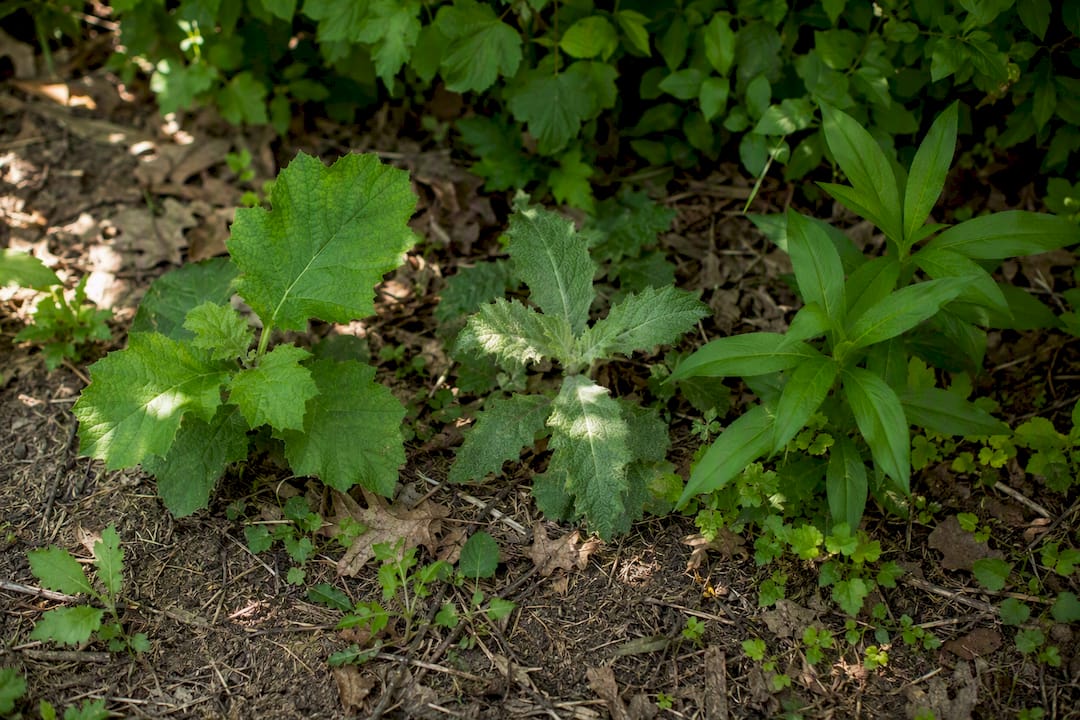
Cross-reference any plant against a regional list before buying, such as the ones from Grow Native! or K-State Extension, both built specifically for the lower Midwest rather than a national average. Watch for a few red flags in particular. Purple loosestrife, bush honeysuckle, and callery pear (including the “Bradford pear” sold widely at nurseries) all look attractive in a garden center but spread aggressively into wild areas around the metro and crowd out the plants local wildlife actually depends on.
A simpler test: native plants tend to have finer, more varied leaf textures and looser, less uniform growth habits than the tightly bred nursery hybrids beside them. If a “wildflower” plant looks suspiciously perfect, uniform, or oversized compared to photos on a native plant database, it’s worth a second look at the tag’s fine print. When in doubt, buy from a seller who can name the seed source. A vendor at a Grow Native! sale or a Deep Roots KC event will know exactly what you’re getting; a bargain rack at a big-box store usually won’t.
Common Pests and Diseases in KC Native Plantings
Native plants generally deal with local pests better than exotics, because they evolved alongside the insects and pathogens already living here. That doesn’t mean problems never show up.
Aphids sometimes cluster on milkweed stems in early summer; a strong blast of water from a hose usually knocks them off without needing a spray. Powdery mildew can hit bee balm in humid, still-air conditions. Thin dense clumps to improve airflow rather than reaching for a fungicide. Japanese beetles, an invasive species themselves, will chew on coneflower and other blooms in July, but healthy established natives usually outgrow the damage without intervention.
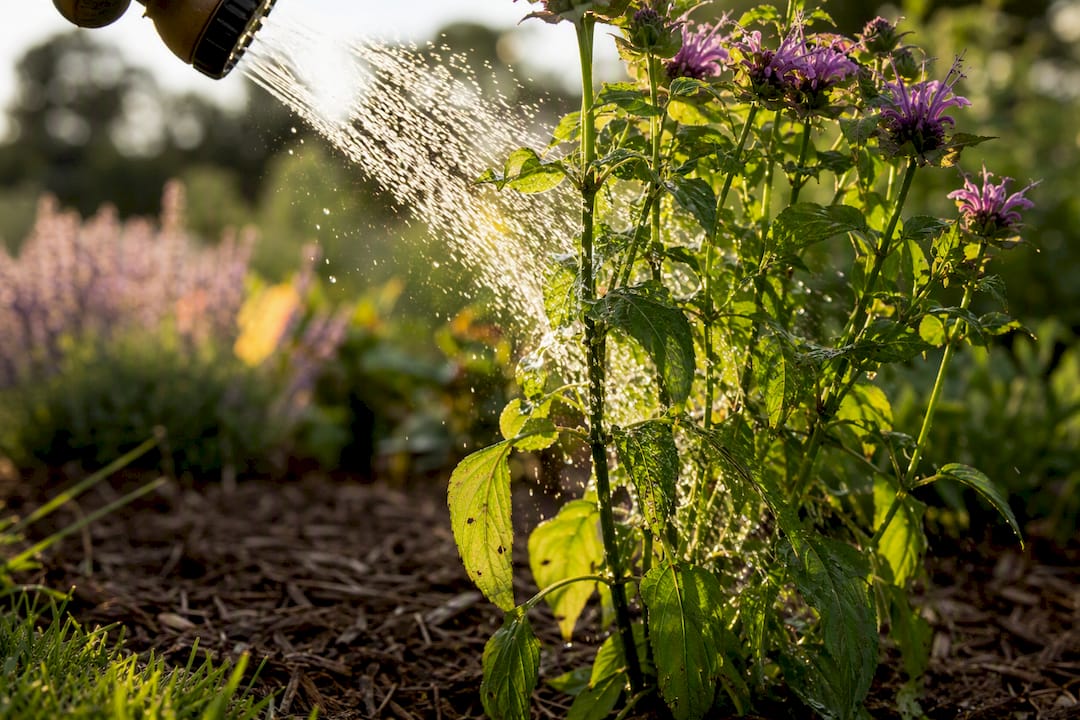
The bigger threat to most native beds isn’t insects, it’s competition from aggressive weeds and turf grass creeping in at the edges. Mulching and a clean bed edge do more pest prevention than any spray. Leaving some pest damage tolerated rather than treated also keeps the food web intact. Ladybugs, lacewings, and predatory wasps that eat aphids and beetle larvae only stick around if there’s something for them to eat. A yard sprayed clean of every pest ends up with fewer of the beneficial insects too, which is part of why native gardens tend to need less chemical input year over year once established.
Designing Native Beds That Look Good and Work Hard
A native garden reads as intentional, not wild, when it borrows a few structural tricks from traditional landscape design. Firm bed edges, whether stone, brick, or a clean cut-turf line, signal “this is designed” to a passerby even when the plants inside are loose and prairie-like.
Layering matters as much as plant choice. Put taller grasses and later bloomers like switchgrass and smooth aster toward the back or center, mid-height bloomers like coneflower and blazing star in the middle, and low spreaders like purple poppy mallow along the front edge. Planning for continuous bloom from April through October, rather than one big spring show, keeps a bed visually active and keeps pollinators fed across the whole season instead of just a few weeks.
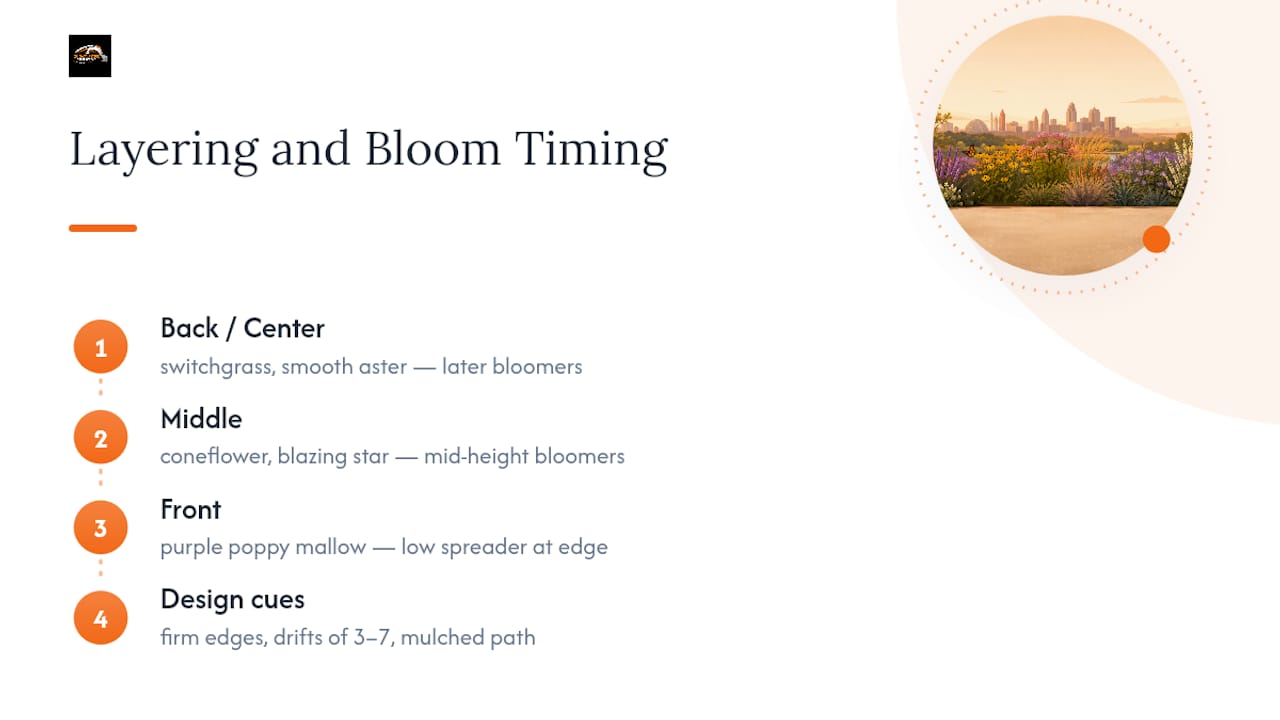
Grouping plants in drifts of three, five, or seven of the same species, rather than one of everything, reads as more deliberate and gives pollinators a denser target to find. Add a mulched path or a stepping-stone line through a larger bed, and the whole planting feels like a garden rather than an overgrown lot. Visiting a public demonstration landscape gives homeowners a real-world template. Powell Gardens’ native plant displays show exactly how these layering and edging ideas look once they’re mature, which is hard to picture from a plant tag alone.
The Real Payoff of Planting Native in Kansas City
Every KC homeowner who plants a native bed is doing more than dressing up a front yard. You’re rebuilding a tiny piece of the tallgrass prairie that used to cover this whole region, one border or tree ring at a time. Visit a demonstration site, join a local plant sale, and start smaller than you think you should.
— GC Signature Outdoors LLC
Hire GC Signature Outdoors to Design and Install Your KC Native Planting
Planting natives yourself is entirely doable, especially starting with one small bed, and nothing here should talk you out of trying it. But if you’d rather skip the trial-and-error on plant spacing, soil prep, and seasonal cutbacks, GC Signature Outdoors LLC builds and maintains native plantings for homeowners across Smithville, Platte City, Kearney, and the rest of the KC Northland.

The team handles landscape design and planting from the first site assessment through layout, sourcing, and installation, then keeps beds looking sharp with scheduled spring and fall cleanups that respect stem-retention timing for overwintering bees. You get one crew handling design, planting, and upkeep instead of juggling a nursery, a landscaper, and a lawn service separately. Browse the project gallery to see finished native beds and clean hardscape edging, then request a consultation to talk through what would work on your property.
Sources
- Planting Natives in Johnson County and the Kansas City Metro (K-State Extension)
- Native Landscape Care Calendar - Grow Native!
- The power of native plants — Powell Gardens
- Don’t love your lawn? Embrace native plants with tips from a Kansas City master gardener — KCUR
- Native plants — City of Kansas City (KCMO)
FAQ
What Are Some Good Native Plants for Landscaping in Missouri?
Purple coneflower, butterfly milkweed, little bluestem, serviceberry, and bee balm all perform reliably across Missouri, including the Kansas City metro, in a range of soil and sun conditions.
Is There a Native Plant Nursery in Kansas City, MO?
Several native-specialist nurseries and mail-order growers serve the metro, and local pop-up sales through groups like Deep Roots KC and Grow Native! are among the most reliable sourcing options each spring and fall.
What Planting Zone Is Kansas City, MO In?
Kansas City falls within USDA hardiness zone 5b to 6a, depending on the exact location, which shapes which perennials, grasses, and shrubs survive the area’s winter lows.
What Are Some Native Plants Found in Kansas?
Kansas’s tallgrass prairie heritage includes species like little bluestem, switchgrass, purple coneflower, blazing star, and showy goldenrod, all of which also thrive in Kansas City yards just across the state line.
Should I Hire Someone to Install Native Plants, or Do It Myself?
Either works. A DIY approach is realistic for a single bed or border, while a professional installer like GC Signature Outdoors LLC saves time on soil prep, plant sourcing, and season-long maintenance for larger projects.
Recommended
- Low Maintenance Landscaping for Homeowners: A Starter Plan | GC Signature Outdoors
- Drought Tolerant Grasses: Best Picks for Water-Wise Lawns | GC Signature Outdoors
- Landscape Design Cost in Kansas City: A Local Budget Guide | GC Signature Outdoors
- Crabgrass Preventer in Kansas City: Timing Guide | GC Signature Outdoors
Ready to get started in Kansas City's Northland?
GC Signature Outdoors serves Smithville, Platte City, Kearney, Liberty, and surrounding areas.