
One Third Rule: When KC Northland Homeowners Should Prune Shrubs
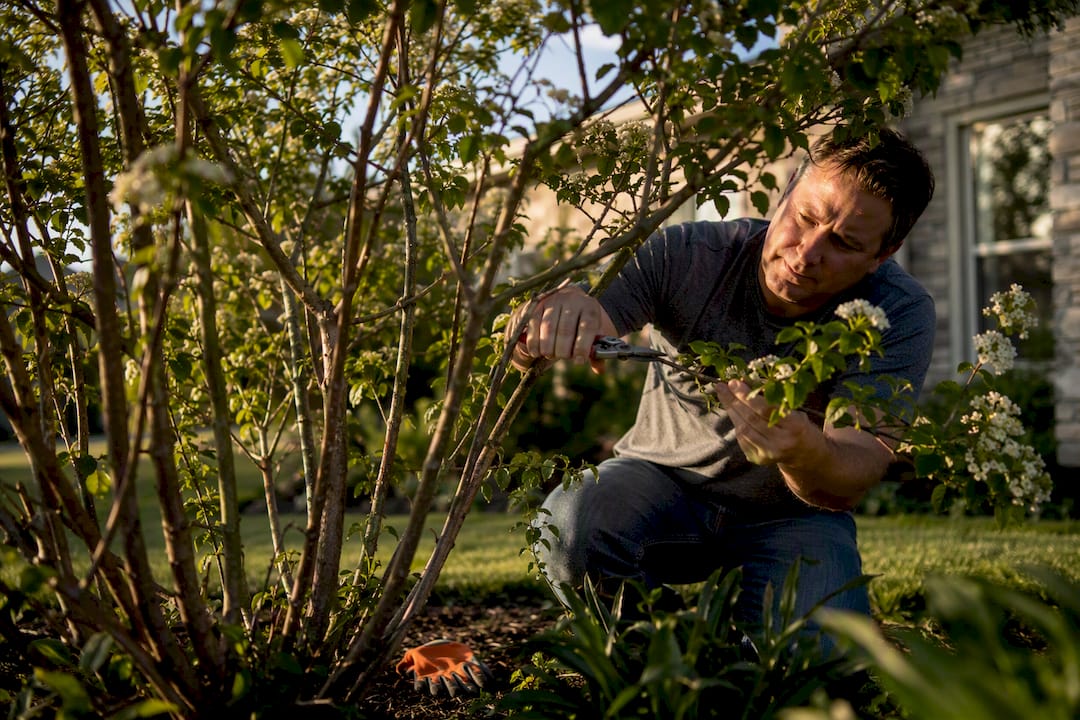
One Third Rule: When KC Northland Homeowners Should Prune Shrubs
The rule that governs almost every pruning decision: cut spring bloomers right after their flowers fade, and cut summer bloomers in late winter or very early spring before new growth starts. Dead, damaged, or diseased branches come off immediately, any time of year, no exceptions. Avoid heavy pruning in late summer or fall, since fresh cuts push out tender growth that won’t survive a hard frost. Renovation work waits for dormancy too.
TL;DR:
- Prune old-wood bloomers like lilac and azaleas immediately after flowering, as they set buds the previous summer and will lose next year’s blooms if cut earlier.
- Cut summer-wood bloomers such as butterfly bush or spirea in late winter or early spring before new growth emerges to encourage a fuller floral display.
- Avoid heavy pruning in late summer or fall, as it promotes tender growth vulnerable to frost damage and can delay flowering.
- Remove dead, diseased, broken, or rubbing branches anytime throughout the year with clean cuts into healthy wood to prevent disease spread.
- Use thinning cuts rather than shearing to maintain shrub health, ensure light reaches interior branches, and prevent the formation of dead, hollowed-out centers.
Table of Contents
- What Determines the Best Time to Prune Bushes?
- A Practical Shrub Pruning Calendar by Bloom Type
- Which Branches Should You Prune Right Away, No Matter the Season?
- How Much Should You Cut, and What Mistakes Ruin Shrubs?
- How to Renovate an Overgrown or Neglected Shrub
- When to DIY and When to Call a Pro
- Get Your Shrubs on a Professional Pruning Schedule
- Sources
- FAQ
What Determines the Best Time to Prune Bushes?
The answer comes down to where a shrub sets its flower buds, not the calendar on your wall. Shrubs bloom on either “old wood” or “new wood,” and that single detail decides your entire pruning calendar.
Old wood means the stems that grew last season. Shrubs like lilac, forsythia, and most azaleas set their flower buds in mid to late summer, months before they ever open. Cut those branches in fall or early spring, and you slice off next season’s flowers before they get a chance to show up. That’s why old wood bloomers get pruned right after they finish flowering, while the plant still has a full growing season ahead to form next year’s buds.
New wood is the opposite story. Shrubs like butterfly bush and many panicle hydrangeas grow fresh stems each spring and bloom on that same season’s growth. Prune these in late winter or very early spring, before the new shoots emerge, and you actually encourage a fuller flush of blooms.
A few things worth knowing about how plants respond to the cut itself:
- Removing a branch tip releases the buds below it from suppression, which is why pruning triggers a burst of new growth.
- Timing that growth spurt matters. Cut too late in the season and that fresh growth won’t harden off before winter, leaving it vulnerable to cold damage.
- Cutting old-wood bloomers in early spring feels intuitive but costs you the entire season’s flower display.
A Practical Shrub Pruning Calendar by Bloom Type
Instead of memorizing every species, sort your shrubs into a few timing buckets and work from there.
Right after bloom fades (spring/old-wood bloomers):
- Lilac
- Forsythia
- Azalea and most rhododendron varieties
- Weigela
- Deutzia
Late winter to early spring, while still dormant (summer/new-wood bloomers):
- Butterfly bush
- Panicle hydrangea (including “Limelight” and “Annabelle” types)
- Rose of Sharon
- Spirea (most summer-blooming types)
- Beautyberry
Light shaping only, mid-summer: A quick trim to control shape on fast growers like privet is fine, but keep it minor. This isn’t the season for structural cuts.
Avoid heavy cuts, late summer through fall: This is the window that causes the most damage. Any major pruning here forces new growth that gets caught by the first freeze.
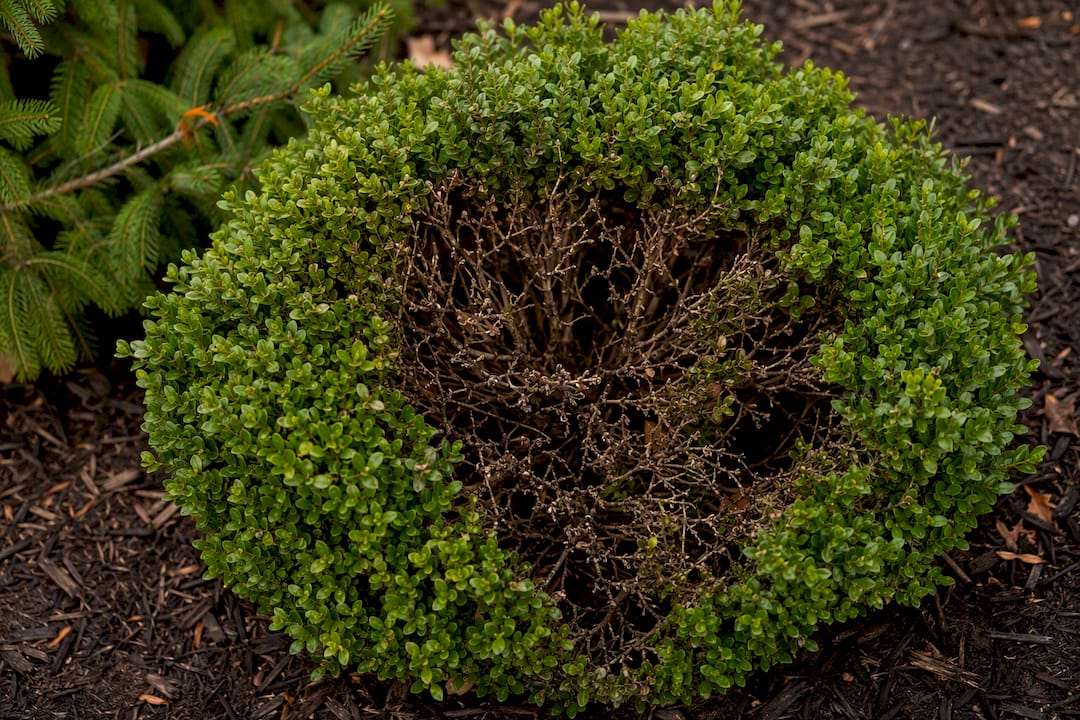
Evergreens follow the dormant-season principle too. Boxwood, juniper, holly, and yew all respond best to pruning in late winter or early spring, before new growth pushes out. One warning that trips up a lot of homeowners: junipers and most boxwood varieties don’t reliably resprout from bare, leafless old wood. Cut back past the green growth into that dead zone, and you may be left staring at a permanent brown hole instead of fresh foliage.
Which Branches Should You Prune Right Away, No Matter the Season?
Some cuts don’t wait for the “right” season. If you spot any of these, deal with them now:
- Dead wood — brittle, discolored branches with no live buds.
- Diseased branches — cankers, unusual discoloration, or dieback that’s spreading.
- Broken or storm-damaged limbs — torn wood invites pests and decay.
- Rubbing or crossing branches — the friction wears through bark and opens a wound.
When you’re cutting out disease, don’t stop at the visible damage. Cut several inches into clean, healthy wood below the affected area so you’re not leaving infected tissue behind. Wipe your blades with rubbing alcohol or a diluted bleach solution between cuts, especially when moving from a diseased plant to a healthy one, following recommended pruning technique guidance. It’s a step most DIYers skip, and it’s often the reason a fungal problem spreads from one shrub to the next.
Pro Tip: If you know a particular pest is active on your shrub species (bagworms on juniper, borers on lilac), try to avoid pruning during that insect’s flight or egg laying window. Fresh cuts and new growth are magnets for egg laying activity.
How Much Should You Cut, and What Mistakes Ruin Shrubs?
For routine maintenance, avoid removing too much of a shrub’s living canopy in a single season, as excessive cutting can stress the plant, delay flowering, and slow recovery. Go beyond that and you stress the plant, delay flowering, and invite a slower recovery. The exception is renovation pruning on tough, suckering shrubs built to handle a hard reset, which gets its own approach below.
The most damaging mistake homeowners make isn’t timing, it’s tool choice. Shearing a shrub into a tight ball or box shape with hedge trimmers looks tidy for about two weeks, then the interior starts to die back. Shearing only cuts the outer layer, which thickens into a dense shell that blocks sunlight from ever reaching the inner branches. Thinning cuts, where you remove entire branches back to their point of origin, keep light moving through the plant and avoid that hollowed-out look altogether.
Other mistakes that show up constantly:
- Pruning spring bloomers in fall or early spring, wiping out the coming season’s flowers.
- Heavy cuts in late summer that push tender growth right before frost.
- Cutting into bare old wood on junipers or boxwood, where regrowth may never fill back in.
- Relying on hedge shears for every job, when most shrubs need selective, thinning cuts instead.
How to Renovate an Overgrown or Neglected Shrub
Before you commit to a hard renovation, ask whether the shrub is even worth saving. A plant that’s healthy but overgrown is a great renovation candidate. One that’s declining from age, root problems, or a poor planting site usually isn’t; pruning can clean it up, but it can’t reverse structural decline.
If the shrub is a good candidate, here’s the staged approach:
- Identify the growth habit. Suckering shrubs that regrow from the base (like forsythia or spirea) tolerate a full hard cutback. Single-stem shrubs need a gentler, staged approach.
- Time it for dormancy. Do renovation work in late winter or early spring, removing roughly one-third of the oldest, thickest stems each year rather than cutting everything at once.
- Use sharp, clean loppers or a pruning saw for thick old stems, not hand shears.
- Expect a rough patch. Flowering will likely drop off for one to three seasons while the plant redirects energy into new growth.
- Follow up. Thin the new shoots the following year to shape the regrowth and prevent a tangled mess.
Renewal takes patience, but it beats ripping out an established shrub and starting over.
When to DIY and When to Call a Pro
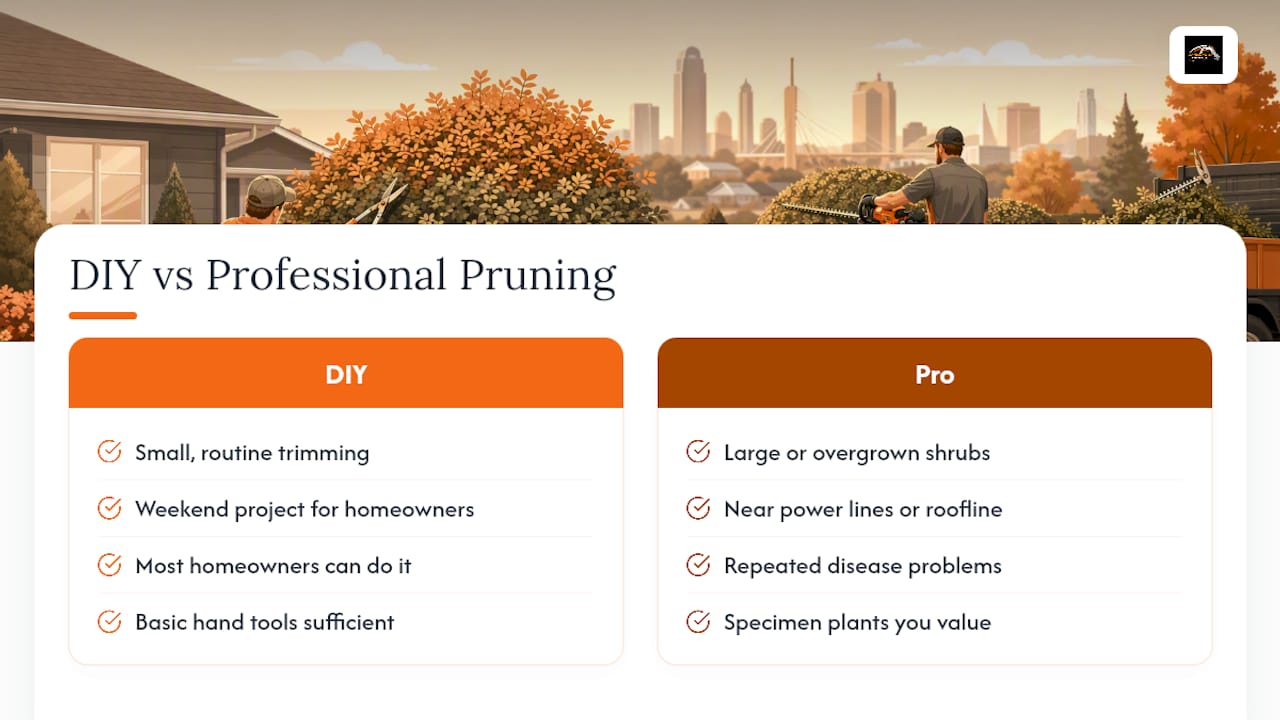
Small, routine trimming is a reasonable weekend project for most homeowners. Large overgrown shrubs, anything near power lines or a roofline, repeated disease problems, or specimen plants you don’t want to risk are a different story. A wrong cut on a 15 year old lilac can cost you blooms for three years.
A professional crew brings a trained eye for staged renovation timing, the right tools for thick old wood, safe disposal of debris, and insurance that covers the work. A family-run crew serving the KC Northland area offers pruning renovation as part of their everyday work, not a side skill.
— GC Signature Outdoors LLC
Get Your Shrubs on a Professional Pruning Schedule
A professional outdoor services crew gives KC Northland homeowners one team for the whole job instead of guessing at timing yourself and hoping you didn’t just cut off next year’s flowers. Our team handles bush trimming and hedge pruning alongside spring and fall cleanups, so your shrubs get cut on the right cycle every time, not whenever you find a free Saturday.

If your shrubs need a full renovation rather than routine shaping, that’s a bigger project worth an on-site look before anyone makes a cut, using professional-grade tools and a plan staged to protect the plant instead of shocking it. Pair the work with a seasonal cleanup to clear out the debris and refresh the beds while the crew is already there, or freshen the mulch around newly pruned shrubs with a mulch installation to help them recover faster. Schedule an assessment through our pruning and trimming service page and get your shrubs on a schedule that actually protects next year’s blooms.
Sources
- Almanac
- Pruning tree and shrub basics — University of Maryland Extension
- Pruning flowering shrubs — Penn State Extension
- Pruning woody plants — University of Delaware Cooperative Extension
- How to prune evergreen trees and shrubs — The Morton Arboretum
FAQ
What Should You Never Do When Trimming Bushes?
Never shear a shrub into a tight, uniform shape season after season. It’s the fastest way to create a dead, leafless interior that won’t fill back in, since thinning cuts preserve interior light far better than surface shearing.
What Shrubs Can Be Cut Back Right Now?
Any shrub with dead, diseased, damaged, or rubbing branches can be cut back immediately, regardless of season. For routine shaping, summer/new-wood bloomers like butterfly bush and panicle hydrangea can be cut back hard in late winter or early spring.
Is April Too Late to Trim Bushes?
It depends on the shrub. April is fine for new-wood bloomers still dormant or just budding out, but it’s often too late for spring/old-wood bloomers like lilac and forsythia, since pruning after their buds have set removes that season’s flowers.
How Far Back Can You Cut a Shrub?
For routine maintenance, stay under about a third of the live canopy per season. Suckering shrubs built for hard renewal can take a full cutback, but that work should happen during dormancy and stems should be removed gradually, about a third per year, for a staged recovery.
Does GC Signature Outdoors Offer Shrub Pruning Services?
Yes, GC Signature Outdoors LLC provides bush trimming and hedge pruning for homeowners across Smithville, Platte City, Kearney, and the surrounding KC Northland area. Current pricing details are available on the service page.
Recommended
Ready to get started in Kansas City's Northland?
GC Signature Outdoors serves Smithville, Platte City, Kearney, Liberty, and surrounding areas.